3 Key Characteristics of Digital Marketing
Ek Instagram ad dikhane ke baad pata chal jaaye ki kitne logon ne dekha, kitno ne click kiya aur kitno ne kharida. Try doing that with a newspaper ad or a roadside…
 Ayan Ali

Ek Instagram ad dikhane ke baad pata chal jaaye ki kitne logon ne dekha, kitno ne click kiya aur kitno ne kharida. Try doing that with a newspaper ad or a roadside hoarding.
That gap is what defines digital marketing. The three main characteristics of digital marketing are: it is targeted (you choose who sees your message), measurable (you can track results in numbers), and interactive (customers can respond to you instantly).
In this guide, you will learn what each characteristic means, how it works in practice, and how a small Indian business can use it. You will also find a comparison with traditional marketing, common mistakes, and a simple action checklist.
What Is Digital Marketing?
Digital marketing is the promotion of products, services or brands through online channels such as search engines, social media, email, websites, and mobile apps. Its goal is to reach the right audience, get a response and measure the result and for more details, go to ayanify.com
Think of a Pune bakery that shows ads to people within 5 km, replies to enquiries on WhatsApp and checks which ad brought orders. That is digital marketing in a nutshell.
Common Digital Marketing Channels
- SEO (Search Engine Optimisation): appearing in Google’s organic results
- Paid ads: Google Ads, Meta Ads (Facebook and Instagram), YouTube ads
- Social media marketing: posts, Reels, Stories, communities
- Email and WhatsApp marketing: direct messages to subscribers or customers
- Content marketing: blogs, videos, podcasts, guides
What Are the Three Main Characteristics of Digital Marketing?
The three main characteristics of digital marketing are:
- Targeted: ads and content reach a defined audience based on interests, location, age or behaviour.
- Measurable: clicks, leads, sales and costs can be tracked with analytics tools.
- Interactive: customers can comment, message, share or buy within moments.
Different textbooks list different points. Some add cost-effectiveness or global reach. These three appear most consistently, and they explain why digital marketing works differently from older media.
[IMAGE 1: Simple three-column graphic showing Targeted, Measurable and Interactive, each with a one-line meaning and an icon]
Characteristic 1: Targeted and Personalised Reach
What Targeting Means
In traditional media, you pay to reach everyone who sees a page or passes a hoarding. In digital marketing, you pick your audience first.
Platforms let advertisers narrow audiences by location, age, language, interests, device and past behaviour. Google Ads and Meta Ads Manager both offer these options.
How Targeting Works in Practice
Different channels target differently:
- Search ads and SEO target intent. Someone searching “wedding photographer in Indore” is already looking to hire.
- Social ads target interests and demographics. A fitness brand can reach people who follow gym and nutrition pages.
- Email and WhatsApp target relationships. You message people who already shared their contact details.
- Retargeting reaches people who already visited your website or product page.
A Practical Example
Suppose a small Jaipur jewellery seller has a limited monthly budget. Instead of boosting every post, the seller could run an ad only for women aged 24 to 40 in nearby cities, with a festive collection creative. The budget goes to likelier buyers rather than a general crowd.
This is a hypothetical scenario, but it shows the principle clearly.
Limitations and a Useful Tip
Targeting is not magic. Audience options differ by platform and change over time, and privacy rules limit certain data use. Google’s advertising policies, for example, restrict personalised ads in sensitive categories.
Tip: Start with a slightly broad audience, then narrow it using real results. Over-narrow targeting can raise costs and reduce reach.
Characteristic 2: Measurable and Data-Driven Results
Why Measurement Is the Biggest Advantage
Marketers have long joked that half of ad spend is wasted and nobody knows which half. Digital marketing largely fixes this, because most actions leave a trackable trail.
Key Metrics Beginners Should Know
| Metric | What It Tells You | Where to Check |
|---|---|---|
| Impressions | How many times your content was shown | Ad platforms, Search Console |
| Clicks / CTR | How many people clicked, and the click percentage | Google Ads, Meta Ads, Search Console |
| Conversions | Actions like purchases, form fills, calls | Google Analytics 4 |
| CPC / CPL | Cost per click / cost per lead | Ad platforms |
| Engagement | Likes, comments, shares, saves | Instagram, Facebook, YouTube Analytics |
Tools That Make Tracking Possible
- Google Analytics 4: website traffic and user behaviour
- Google Search Console: how your site performs in Google Search
- Meta Ads Manager: ad performance on Facebook and Instagram
- UTM parameters: tags added to links so you know which campaign sent a visitor
For official guidance, Google’s own help documentation for Analytics and Search Console is the most reliable starting point.
Measurement in Real Life
Imagine a coaching institute running two ads: one on Instagram, one on Google Search. Both mention a free demo class. By tracking demo sign-ups from each, the institute sees which channel brings more registrations per rupee spent. It then moves budget accordingly.
Beginner Trap: Chasing the Wrong Numbers
Likes and views feel good, but they do not pay bills. Always connect your tracking to a business goal such as enquiries, bookings or sales.
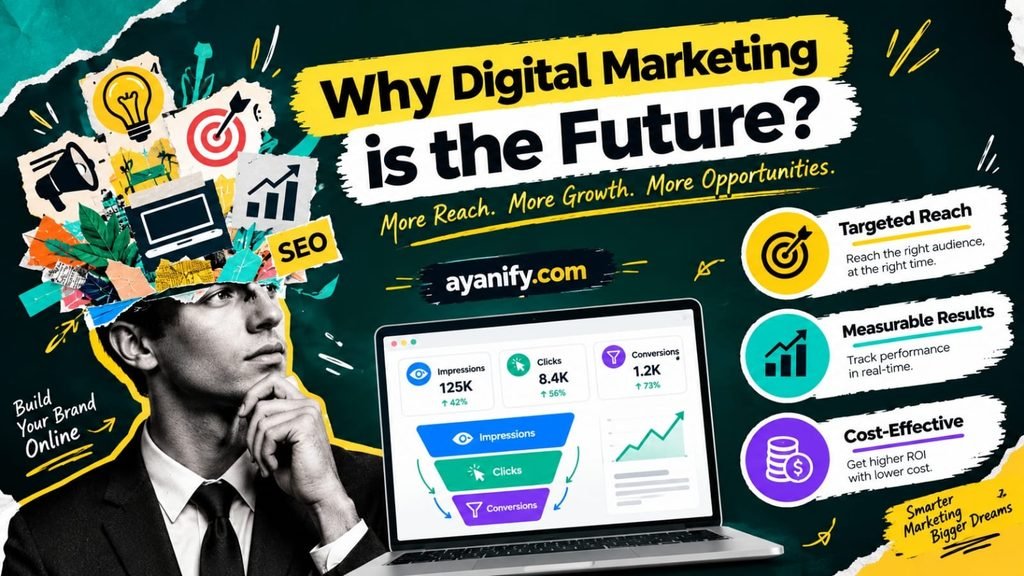
Characteristic 3: Interactive and Two-Way Communication
From Broadcast to Conversation
Traditional advertising talks at people. Digital marketing lets people talk back. A customer can ask a question under a Reel, reply to an email, tap a WhatsApp button or leave a review within seconds.
Ways Interactivity Shows Up
- Comments and DMs: instant questions and feedback
- Polls, quizzes and Stories stickers: quick participation
- Live sessions: real-time Q&A
- Reviews and ratings: public social proof, such as Google Business Profile reviews
- Click-to-chat buttons: a direct line to the business
Why It Matters for Indian Businesses
Many Indian buyers prefer to ask before they purchase: delivery time, price, sizes, availability. A quick WhatsApp reply can decide whether a lead becomes a customer.
Small businesses, freelancers and local service providers often win here simply by replying faster than bigger competitors.
Example
A home-baker in Bhopal posts a cake design Reel. Someone comments asking for an eggless option. A prompt, helpful reply, followed by a WhatsApp conversation, turns a casual viewer into an order. Interactivity did what a printed pamphlet never could.
Important Limitation
Interaction also means public criticism. Negative comments and reviews are visible, so plan how you will respond politely and professionally.
Other Characteristics Worth Knowing
Beyond the three core traits, you may see these in exams or articles:
- Cost flexibility: you can begin with a small budget and pause anytime.
- Wide reach: a local business can reach customers beyond its city.
- Speed: campaigns can go live in hours and be edited quickly.
- Always-on availability: websites and social profiles work 24/7.
These are useful benefits, but they largely grow out of the three core characteristics above.
Digital Marketing vs Traditional Marketing
| Feature | Digital Marketing | Traditional Marketing |
|---|---|---|
| Audience selection | Detailed targeting options | Broad, limited control |
| Result tracking | Real-time, detailed | Often indirect and slow |
| Customer response | Instant and two-way | Mostly one-way |
| Budget control | Start small, adjust anytime | Often a larger upfront commitment |
| Editing a campaign | Quick | Difficult once printed or aired |
Traditional marketing still works well, especially for local awareness. Many brands combine both.
How to Use These Characteristics: Step-by-Step
Step 1: Define One Clear Goal
Pick a single outcome: leads, sales, calls or app installs. Without this, you cannot judge success.
Step 2: Describe Your Ideal Customer
Write down age range, location, interests, problems and where they spend time online.
Step 3: Choose One or Two Channels
A local service business may start with Google Business Profile and Instagram. An online store may prefer Meta ads and email.
Step 4: Set Up Tracking Before Spending
Install Google Analytics 4, connect Search Console, and use UTM links. This takes less than an hour and saves a lot of guesswork later.
Step 5: Prepare for Conversations
Add a WhatsApp button, set quick-reply templates, and decide who answers messages and how fast.
Step 6: Review Weekly and Adjust
Check which audience, creative and channel gives the best result. Pause what fails, and do more of what works.
Common Mistakes to Avoid
- Targeting everyone. Broad, undefined audiences waste budget. Define your ideal customer first.
- Running campaigns without tracking. You will not know what worked. Set up analytics before launch.
- Obsessing over vanity metrics. Followers and likes do not guarantee sales. Track leads and conversions.
- Ignoring messages and comments. Slow replies lose warm leads. Set a response-time target.
- Changing too many things at once. You cannot tell what caused the result. Test one variable at a time.
- Copying a big brand’s strategy. Their budget and audience differ from yours. Learn from them, then adapt.
Quick Action Checklist
| Task | Priority | When to Do It | Status |
|---|---|---|---|
| Define one business goal | High | Before anything else | ☐ |
| Write an ideal customer profile | High | Before choosing channels | ☐ |
| Install Google Analytics 4 | High | Before launching | ☐ |
| Connect Google Search Console | High | Before launching | ☐ |
| Add UTM tags to campaign links | Medium | When creating ads or posts | ☐ |
| Add WhatsApp or contact button | High | Before promoting | ☐ |
| Review results weekly | Medium | Every week | ☐ |
Frequently Asked Questions
What are the three characteristics of digital marketing?
The three core characteristics are targeted reach, measurable results and interactive communication. Together they let businesses reach specific audiences, track performance in numbers and talk to customers directly.
What are the main features of digital marketing?
Main features include targeting, measurability, interactivity, cost flexibility, wide reach and speed. Most beginner guides focus on targeting, measurability and interactivity as the core three.
Why is digital marketing measurable?
Online actions like clicks, visits and purchases generate data. Tools such as Google Analytics 4, Search Console and Meta Ads Manager record this data, so you can calculate results and costs.
Is digital marketing better than traditional marketing?
Not always. Digital marketing offers better targeting and tracking, but traditional methods can still work well for local awareness. Many businesses use both.
Can small businesses use digital marketing with a low budget?
Yes. You can start with free tools like a Google Business Profile, social media and WhatsApp, then add small paid campaigns once you understand what works.
Which digital marketing channel should a beginner start with?
Start with the channel where your customers already are. Local service businesses often begin with Google Business Profile and Instagram. Online sellers often begin with Meta ads and email.
Conclusion
Digital marketing is targeted, measurable and interactive. These three traits explain why it gives even small businesses more control than older media and want to know how to run facebook ads click here
Your most important next step is simple: define one goal and set up tracking before you spend anything. Once you can see what works, everything else becomes easier to improve.
If you are ready to build a proper strategy, read our guide on [how to create a digital marketing plan for your business] next.
2. SEO PACKAGE
| Item | Details |
|---|---|
| Primary Keyword | characteristics of digital marketing |
| Search Intent | Informational. The reader wants a quick definition-style answer (the three characteristics), then a beginner-friendly explanation. Many searchers are students. |
| Secondary / Semantic Keywords | features of digital marketing, main features of digital marketing, what is digital marketing, digital marketing vs traditional marketing, targeted marketing, measurable marketing results, interactive marketing, digital marketing channels, advantages of digital marketing, Google Analytics 4, Meta Ads Manager, digital marketing for small business India |
| Recommended H1 | 3 Key Characteristics of Digital Marketing (With Simple Indian Examples) |
| SEO Title | 3 Characteristics of Digital Marketing Explained (With Examples) |
| Meta Description | Learn the 3 key characteristics of digital marketing: targeted, measurable and interactive. Simple explanations, Indian examples and an action checklist. |
| URL Slug | /characteristics-of-digital-marketing/ |
| Suggested Tags | digital marketing basics, digital marketing features, digital marketing for beginners, online marketing, small business marketing, marketing analytics, social media marketing |
| Suggested Category | Digital Marketing Basics |
Featured-snippet opportunities
- “What are the three characteristics of digital marketing?” (numbered list, 40 to 60 words)
- “What is digital marketing?” (short definition)
- Digital vs traditional marketing (comparison table)
Authoritative external sources to consider
- Google Analytics Help (for conversions and tracking)
- Google Search Console Help (for impressions and clicks)
- Google Ads Help and advertising policies (for targeting and personalised-ads restrictions)
- Meta Business Help Centre (for ad targeting options)
Add only one or two external links, and open them in a new tab.
3. INTERNAL LINKING MAP
Your exact URLs were not provided, so these are recommended topics and anchor text. Link only to articles that actually exist on your site.
Links FROM this article to existing content
| Where in Article | Recommended Article / Topic | Anchor Text |
|---|---|---|
| “What Is Digital Marketing?” | Pillar page on digital marketing basics | “what digital marketing includes” |
| SEO channel bullet | Beginner SEO guide | “SEO for beginners” |
| Paid ads / targeting section | Google Ads or Meta Ads beginner guide | “how Meta Ads targeting works” |
| Measurement section | Google Analytics 4 setup guide | “setting up Google Analytics 4” |
| Measurement section | Search Console guide | “using Google Search Console” |
| Conclusion | Digital marketing plan article | “how to create a digital marketing plan” |
Existing articles that should link BACK here
- Your “What Is Digital Marketing?” pillar page, using the anchor “key characteristics of digital marketing”
- Any “Advantages of Digital Marketing” post, using “main features of digital marketing”
- Any “Digital vs Traditional Marketing” post, using “characteristics of digital marketing”
- Beginner posts on social media or SEO basics, using “what makes digital marketing different”
4. IMAGE SEO RECOMMENDATIONS
Image 1: Three core characteristics graphic
- Filename:
characteristics-of-digital-marketing.webp - Alt text: Three-column graphic showing targeted, measurable and interactive as digital marketing characteristics
- Image title: Characteristics of Digital Marketing
- Caption: The three core characteristics that set digital marketing apart.
- Description: A clean infographic with three labelled columns, each with an icon and a one-line meaning.
Image 2: Metrics funnel
- Filename:
digital-marketing-metrics-funnel.webp - Alt text: Funnel diagram showing impressions, clicks and conversions
- Image title: Digital Marketing Metrics Funnel
- Caption: How impressions turn into clicks and conversions.
- Description: A simple funnel illustrating the drop-off from views to actions.
Image 3 (optional, place under the comparison table): Digital vs traditional marketing
- Filename:
digital-vs-traditional-marketing-comparison.webp - Alt text: Comparison chart of digital and traditional marketing on targeting, tracking and response
- Image title: Digital vs Traditional Marketing
- Caption: Key differences between digital and traditional marketing.
- Description: A two-column visual summarising the table above.
5. FAQ SCHEMA-READY CONTENT
Q1: What are the three characteristics of digital marketing?
A: The three core characteristics are targeted reach, measurable results and interactive communication. They let businesses reach specific audiences, track performance and engage customers directly.
Q2: What are the main features of digital marketing?
A: Main features include targeting, measurability, interactivity, cost flexibility, wide reach and speed.
Q3: Why is digital marketing measurable?
A: Online actions generate data, and tools like Google Analytics 4 and Meta Ads Manager record clicks, visits and conversions.
Q4: Is digital marketing better than traditional marketing?
A: Not always. It offers stronger targeting and tracking, but traditional marketing can still suit local awareness. Many businesses combine both.
Q5: Can small businesses use digital marketing with a low budget?
A: Yes. Free tools like Google Business Profile, social media and WhatsApp allow a low-cost start.
Q6: Which digital marketing channel should a beginner start with?
A: Start where your customers already spend time. Local businesses often begin with Google Business Profile and Instagram, while online sellers often begin with Meta ads and email.
Want results like this for your business?
Tell us your goal and we will suggest the right SEO, ads or website plan.
Get a free consultation